
Why to Invest in Commercial Rental Property in 2026?
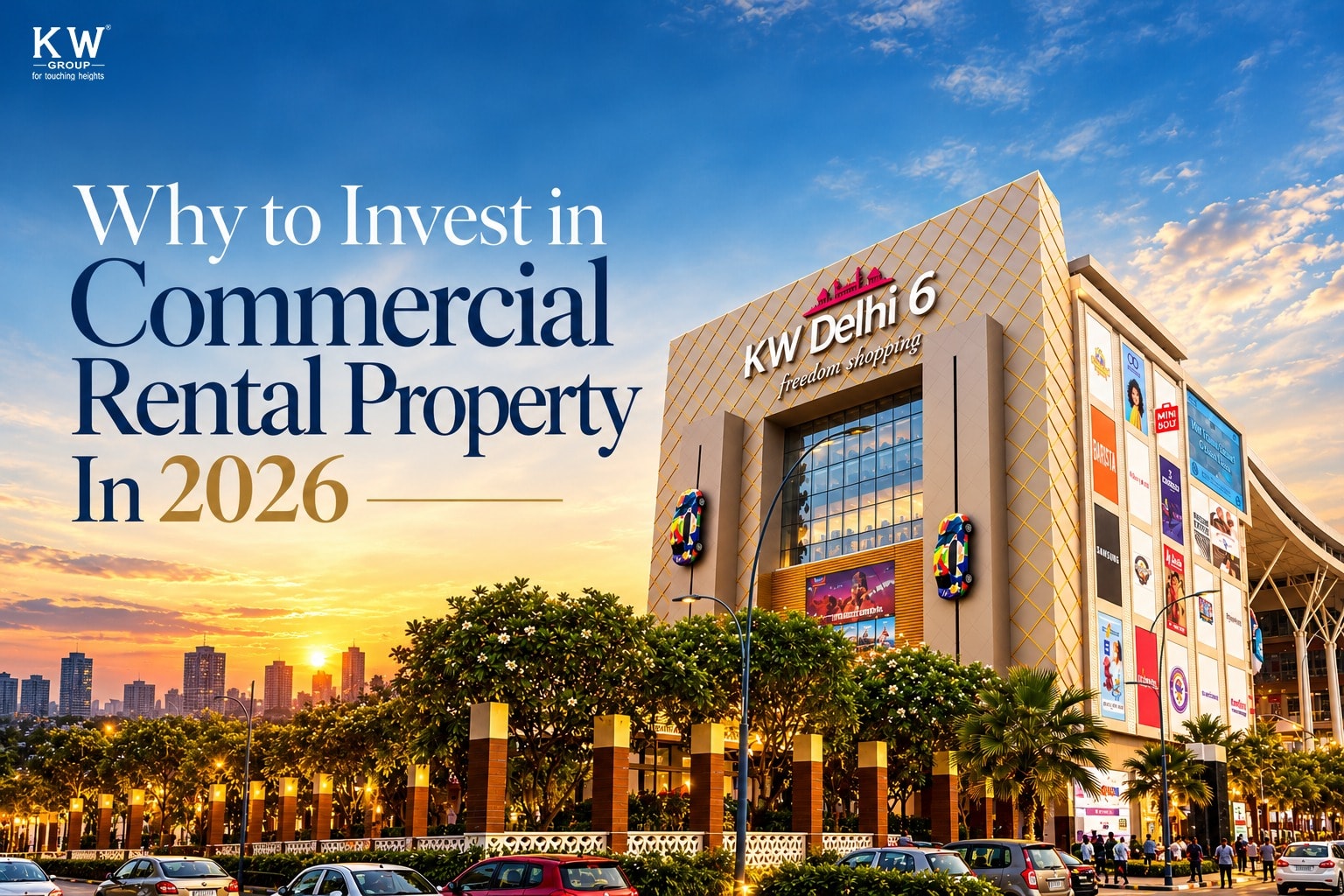
Why to Invest in commercial rental property in 2026 is an important question for investors looking to generate rental income and build long-term wealth through real estate. Commercial rental property investment has become an option worth exploring for individuals who want to diversify beyond residential property and evaluate opportunities in retail shops, office spaces, restaurants, and other commercial units.
Why to Invest in Commercial Rental Property in 2026?
Why to Invest in commercial rental property in 2026 is an important question for investors looking to generate rental income and build long-term wealth through real estate. Commercial rental property investment has become an option worth exploring for individuals who want to diversify beyond residential property and evaluate opportunities in retail shops, office spaces, restaurants, and other commercial units.
In India, commercial property investment depends on several factors, including location, business activity, infrastructure, tenant demand, and the property's purchase price. A well-located commercial property may attract businesses looking for customer visibility, accessibility, and a suitable environment for their operations. When a property is successfully leased, the owner may receive recurring rental income according to the agreed rental terms.
However, investing in commercial rental property requires proper research and financial planning. Investors should understand rental yield, maintenance expenses, vacancy risks, legal documentation, and the potential for capital appreciation before purchasing a commercial unit.
In this guide, we will explain why to invest in commercial rental property in 2026, the benefits of commercial property investment, how rental income works, and what investors should consider before choosing a commercial property in India.
Why to Invest in Commercial Rental Property in 2026?
There are several reasons why investors consider commercial rental property as part of their long-term investment strategy. Commercial properties can provide rental income, potential capital appreciation, and exposure to business-driven real estate demand. However, the actual benefits depend on the property's location, tenant profile, purchase price, and overall market conditions.
Let's understand the major reasons to invest in commercial rental property in 2026.
1. Commercial Rental Property Can Generate Regular Income
One of the primary reasons to invest in commercial rental property in 2026 is the potential to earn regular rental income. Commercial shops, retail outlets, office spaces, and restaurant units can be leased to businesses that require a physical location for their operations.
For example, a commercial shop in a suitable market may attract tenants such as restaurants, cafes, pharmacies, branded retailers, and service providers. The property owner can receive rent according to the lease agreement, subject to the tenant making payments and the property remaining occupied.
Rental income can help investors manage property expenses, support other financial goals, and potentially build a long-term income stream.
However, commercial property rental income is not guaranteed. Investors should consider the possibility of vacant periods, tenant defaults, maintenance costs, property taxes, and other expenses before estimating their returns.
2. Commercial Property Investment Offers Potential for Long-Term Appreciation
Commercial property investment in 2026 may also appeal to buyers seeking potential long-term capital appreciation. Property values can change as an area develops, infrastructure improves, business activity increases, and demand for commercial space evolves.
For instance, commercial properties located near established markets, residential communities, transport connections, and active business districts may attract interest from potential buyers and tenants.
However, commercial property prices do not always increase. Oversupply, weak business demand, poor occupancy, and changing market conditions can affect property valuations.
Therefore, investors should assess the property's current price, comparable transactions, rental demand, and resale potential before making an investment decision.
3. Commercial Shops Offer Multiple Leasing Opportunities
Commercial shops are an option for investors exploring commercial rental property in India. Depending on their size, location, permitted use, and infrastructure, these properties may be suitable for different types of businesses.
Retail stores, food outlets, salons, clinics, convenience stores, and other service businesses may require commercial spaces to serve customers.
A shop that is suitable for several business categories may offer greater flexibility when searching for tenants. However, the availability of tenants depends on local demand, competition, rental expectations, and the property's suitability for commercial activities.
Before purchasing a commercial shop, investors should evaluate its frontage, accessibility, visibility, parking facilities, surrounding population, and existing commercial occupancy.
4. Commercial Rental Property Can Diversify Your Investment Portfolio
Another reason to consider commercial rental property investment in 2026 is portfolio diversification. Investors who already have savings, residential property, or other financial investments may explore commercial real estate as an additional asset category.
Commercial property has a different risk and return profile from residential property and financial investments. Its performance depends heavily on business activity, leasing demand, location, property expenses, and market liquidity.
Investors should avoid committing all their savings to a single property without considering emergency funds, existing financial obligations, and other investment goals.
A diversified approach can help investors manage risk more effectively, although diversification does not eliminate the possibility of losses.
5. Pre-Leased Commercial Property May Provide Existing Rental Income
Pre-leased commercial property is another option for investors who want to evaluate an existing rental arrangement before purchasing a property.
In a pre-leased commercial unit, a tenant already occupies the property under a rental or lease agreement. Investors can review the existing rent, lease duration, security deposit, escalation clauses, termination conditions, and tenant payment history.
This information can help buyers estimate the property's current rental performance more accurately than they might be able to for a vacant property.
However, an existing lease does not guarantee future rental income. Tenants may default, leave when permitted by the agreement, or decline to renew their leases.
Buyers should also verify whether the lease can be transferred to the new owner and whether the rental terms remain commercially sustainable.
What Are the Benefits of Commercial Rental Property Investment?
Understanding the benefits of commercial rental property investment can help buyers decide whether this asset class suits their financial objectives.
The main potential benefits include:
Rental income: An occupied and successfully leased commercial property may generate recurring rent.
Capital appreciation: Property values may increase over time, depending on location and market conditions.
Business tenant demand: Suitable commercial spaces may attract retailers, restaurants, service providers, and other businesses.
Leasing flexibility: Some commercial units can accommodate different tenant categories, depending on permitted usage.
Long-term ownership: Investors may hold the property for an extended period while evaluating rental income and resale opportunities.
These benefits depend on the property's financial performance and legal status. Investors should compare the expected returns against the total purchase cost and the risks involved.
Commercial Rental Property Investment in India: Which Location Should You Choose?
Location plays an important role in commercial rental property investment in India. A property's rental prospects can depend on its surrounding businesses, residential population, transport connectivity, customer movement, and the availability of suitable tenants.
Investors should consider both established commercial markets and developing business locations. Established markets may benefit from existing commercial activity, while developing areas may offer opportunities associated with future infrastructure and business growth.
However, a developing location does not automatically guarantee higher returns. Investors should verify actual rental demand, current occupancy, competing commercial supply, and the realistic time required to find a tenant.
When comparing commercial property locations, consider the following factors:
Connectivity to major roads, metro stations, and public transport.
Proximity to residential communities and business districts.
Existing shops, operational businesses, and customer footfall.
Comparable market rents and vacancy levels.
Total acquisition costs and ongoing maintenance expenses.
Property approvals, permitted usage, and ownership documentation.
Comparing these factors can help investors identify commercial properties that align with their rental-income objectives.
Why Invest in Commercial Property in Ghaziabad in 2026?
Commercial property in Ghaziabad is worth evaluating for investors exploring retail and business spaces in the Delhi-NCR region. Different parts of the city have different property prices, tenant profiles, connectivity advantages, and levels of commercial activity.
Raj Nagar Extension is one location investors may consider when researching commercial shops and mixed-use developments. Its suitability for a rental investment should be assessed by examining the surrounding residential catchment, road connectivity, commercial occupancy, and demand from local businesses.
Investors should not select a property based solely on the area's development potential. They should compare available units, realistic rental estimates, total acquisition costs, and the time a property might remain vacant before a tenant is secured.
Before investing in commercial property in Ghaziabad, buyers should also verify the property's applicable approvals, ownership records, RERA registration where relevant, and written terms relating to any advertised rental benefits.
KW Delhi 6: A Commercial Property Investment Option in Raj Nagar Extension
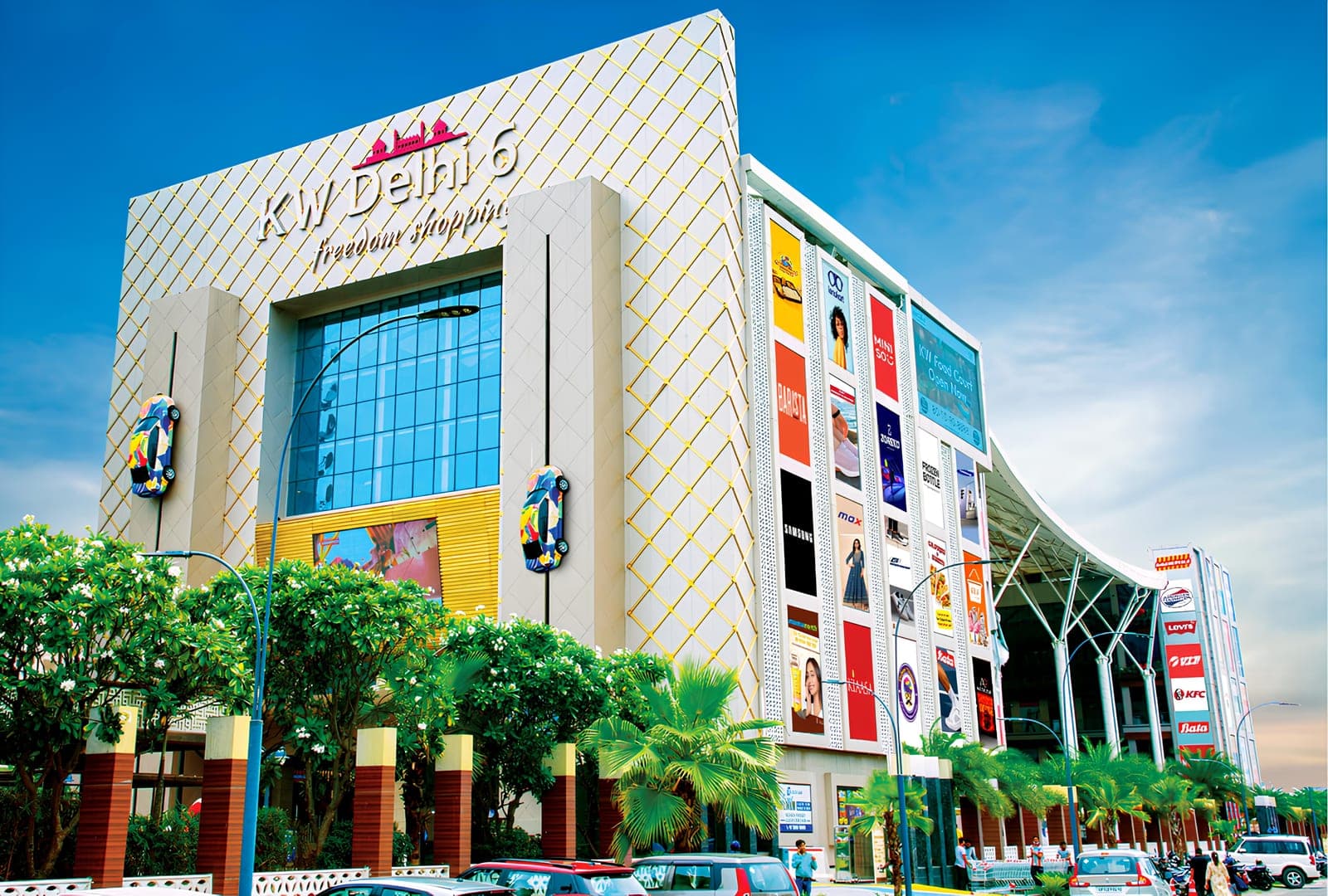
For buyers exploring commercial rental property in Ghaziabad, KW Delhi 6 is one project they may consider researching. Located in Raj Nagar Extension, Ghaziabad, the project can be evaluated by investors interested in commercial shops and potential rental-income opportunities.
When assessing KW Delhi 6 for commercial property investment, buyers should examine the location, available shop configurations, purchase costs, permitted commercial usage, surrounding businesses, and the project's current occupancy.
The suitability of a commercial shop for rental purposes depends on whether it can attract tenants whose business requirements match the property's location, size, accessibility, and rental expectations.
Prospective buyers should request updated pricing, applicable charges, project documentation, and written details of any rental-related commitments before making a purchase decision. Claims relating to approvals, registration, or rental benefits should be independently verified.
For investors searching for commercial property in Raj Nagar Extension, comparing KW Delhi 6 with other available commercial developments can help determine whether the project aligns with their financial objectives.
What Factors Should You Consider Before Investing in Commercial Rental Property?
Before investing in commercial rental property in 2026, buyers should evaluate the financial, legal, and operational aspects of the investment.
1. Total Property Purchase Cost
Calculate the complete acquisition cost, including the purchase price, applicable taxes, registration charges, and other fees. A lower advertised price does not necessarily mean a better investment if the property has high ongoing costs or limited rental demand.
2. Rental Demand and Tenant Availability
Research comparable rents, nearby businesses, existing occupancy, and the demand for the type of commercial unit being purchased. A realistic rental estimate is more useful than relying solely on projected rental figures.
3. Legal Verification
Verify ownership documents, applicable approvals, permitted commercial use, and RERA registration where applicable. Review the sale agreement and any written rental commitments before making payments.
4. Maintenance and Other Expenses
Understand maintenance charges, property taxes, repair costs, insurance where applicable, and leasing expenses. These costs can reduce the net income received from the property.
5. Vacancy and Resale Risks
Estimate how long the property could remain vacant between tenants and consider whether it could be resold within your expected timeframe. Commercial real estate can be less liquid than some other investment options.
6. Financial Planning
Ensure that the purchase fits your budget and long-term objectives. If you are using a property loan, assess the interest rate, repayment schedule, and ability to manage instalments during periods without rental income.
Frequently Asked Questions About Commercial Rental Property Investment
1. Why to Invest in Commercial Rental Property in 2026?
Investors may consider commercial rental property in 2026 for its potential to generate recurring rental income, provide long-term capital appreciation, and diversify a real estate portfolio. Actual returns depend on location, tenant demand, purchase cost, expenses, and market conditions.
2. Is Commercial Rental Property a Good Investment in India?
Commercial rental property may suit investors who understand real estate risks and can evaluate rental demand, legal documentation, and total ownership costs. Its suitability depends on the investor's budget, financial goals, risk tolerance, and investment horizon.
3. How Much Rental Income Can a Commercial Property Generate?
Rental income varies according to the property's location, size, purchase price, tenant profile, and local market conditions. Investors should compare actual market rents and calculate gross and net rental yields before purchasing.
4. Which Commercial Property Is Best for Rental Income?
Commercial shops, office spaces, and pre-leased units may all be considered for rental income. The right option depends on local tenant demand, property costs, lease terms, vacancy risks, and the investor's financial objectives.
5. Is Commercial Property in Ghaziabad Worth Considering in 2026?
Commercial property in Ghaziabad may be worth evaluating based on connectivity, surrounding residential development, existing business activity, rental demand, and property pricing. Buyers should assess each project individually rather than assuming that all locations will deliver similar returns.
6. Should I Invest in KW Delhi 6 for Rental Income?
KW Delhi 6 in Raj Nagar Extension can be included in a commercial property shortlist. Before investing, review current prices, legal documentation, available units, occupancy, comparable rental rates, and the written terms of any advertised rental benefits.
7. What Is the Difference Between Gross and Net Rental Yield?
Gross rental yield measures annual rental income against the property's total purchase cost before expenses. Net rental yield accounts for relevant operating expenses and gives a more realistic indication of the property's rental performance.
KW Landmarks
Where readers become residents.
 Ready to Move
The Rare Gem of Karol Bagh
KW Blue Pearl
A vibrant food, café & dining destination on DB Gupta Road — DDA-allotted freehold corner property, two minutes from Jhandewalan Metro.
 Ready to Move
Freedom Shopping
KW Delhi 6
A 3.21-acre commercial landmark in Raj Nagar Extension — bringing Chandni Chowk's essence, reimagined to global standards.
Reader questions