
How the Delhi-Meerut RRTS Is Rewriting NCR Property Values
82 km of high-speed rail, 25 stations, and the property catchments that will compound the fastest.
The Delhi-Meerut RRTS — India's first regional rapid transit corridor — has already changed the math for buyers in Sahibabad, Ghaziabad, Modinagar and Meerut. Every operational segment has produced a sharp tightening of vacancy and a 12 – 22% jump in transacted prices within a 1.5 km catchment of each station.
Why RRTS is different from Metro
RRTS runs at a design speed of 180 kmph and a commercial average of about 100 kmph — five times faster than the Delhi Metro on a comparable distance. The Delhi-to-Meerut journey collapses from 3-4 hours by road to under 60 minutes. That single change pulls Meerut and Modinagar into NCR's real commute orbit for the first time.
The catchments that will compound the fastest
Three station catchments stand out in our data: Sahibabad (the first commercial hub after Delhi), Duhai (a planned IT-and-logistics node) and Modinagar (a Tier-2 catchment with low base prices).
- Sahibabad — strong existing commercial absorption, RRTS adds white-collar feet
- Duhai — government-led nodal development, ground-floor pricing for early movers
- Modinagar — large base of skilled labour, lowest entry price for residential
- Raj Nagar Extension — within 8 km of the Modinagar station; benefits from spillover
What to do as an investor
If you're buying for capital appreciation, prioritise within 1.5 km walking radius of a station; the value multiplier collapses fast after that. If you're buying for end use, RRTS opens up daily-commute geographies that were previously "weekend only" — at half the per-sqft price of Noida or Gurugram.
KW Landmarks
Where readers become residents.
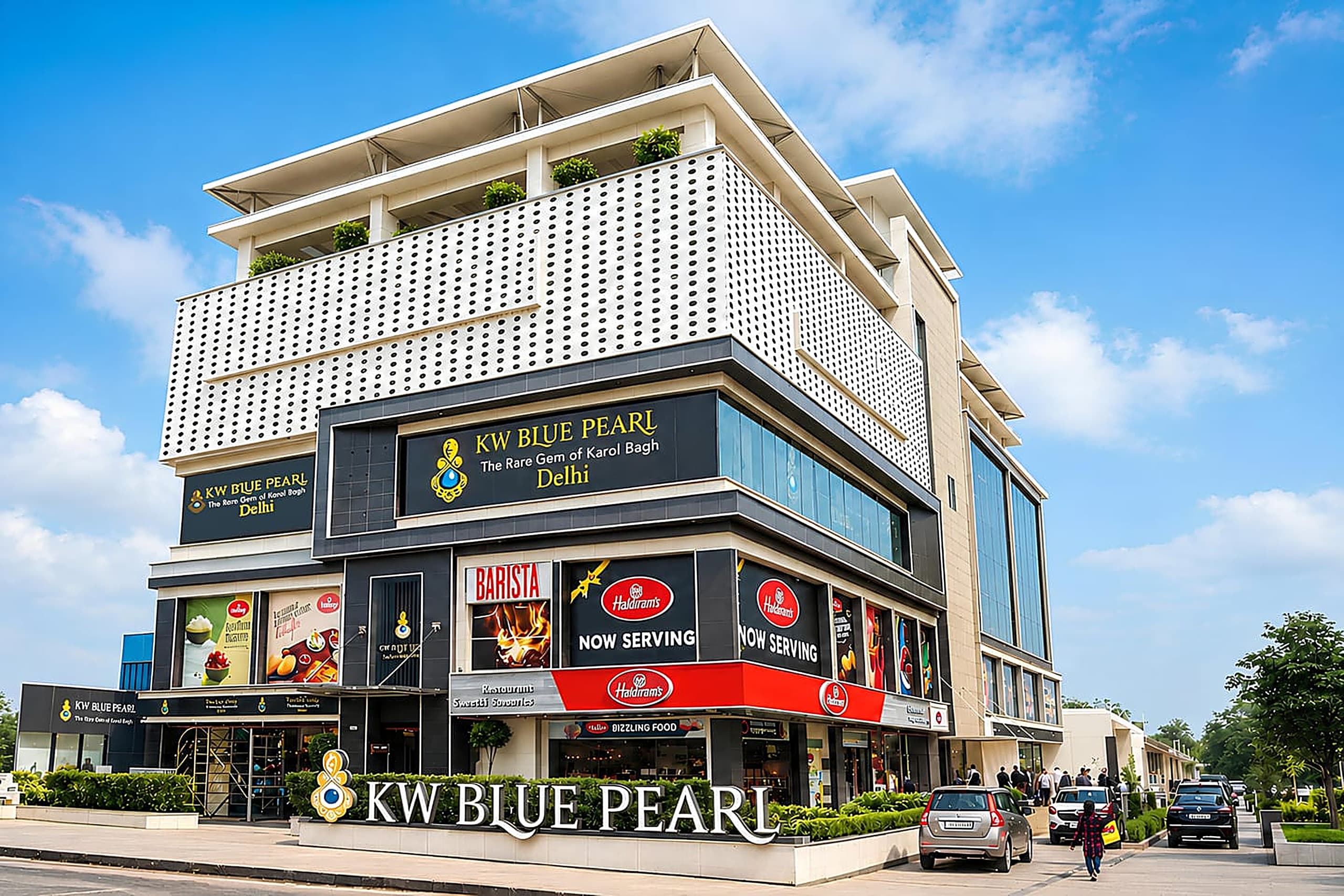 Ready to Move
The Rare Gem of Karol Bagh
KW Blue Pearl
A vibrant food, café & dining destination on DB Gupta Road — DDA-allotted freehold corner property, two minutes from Jhandewalan Metro.
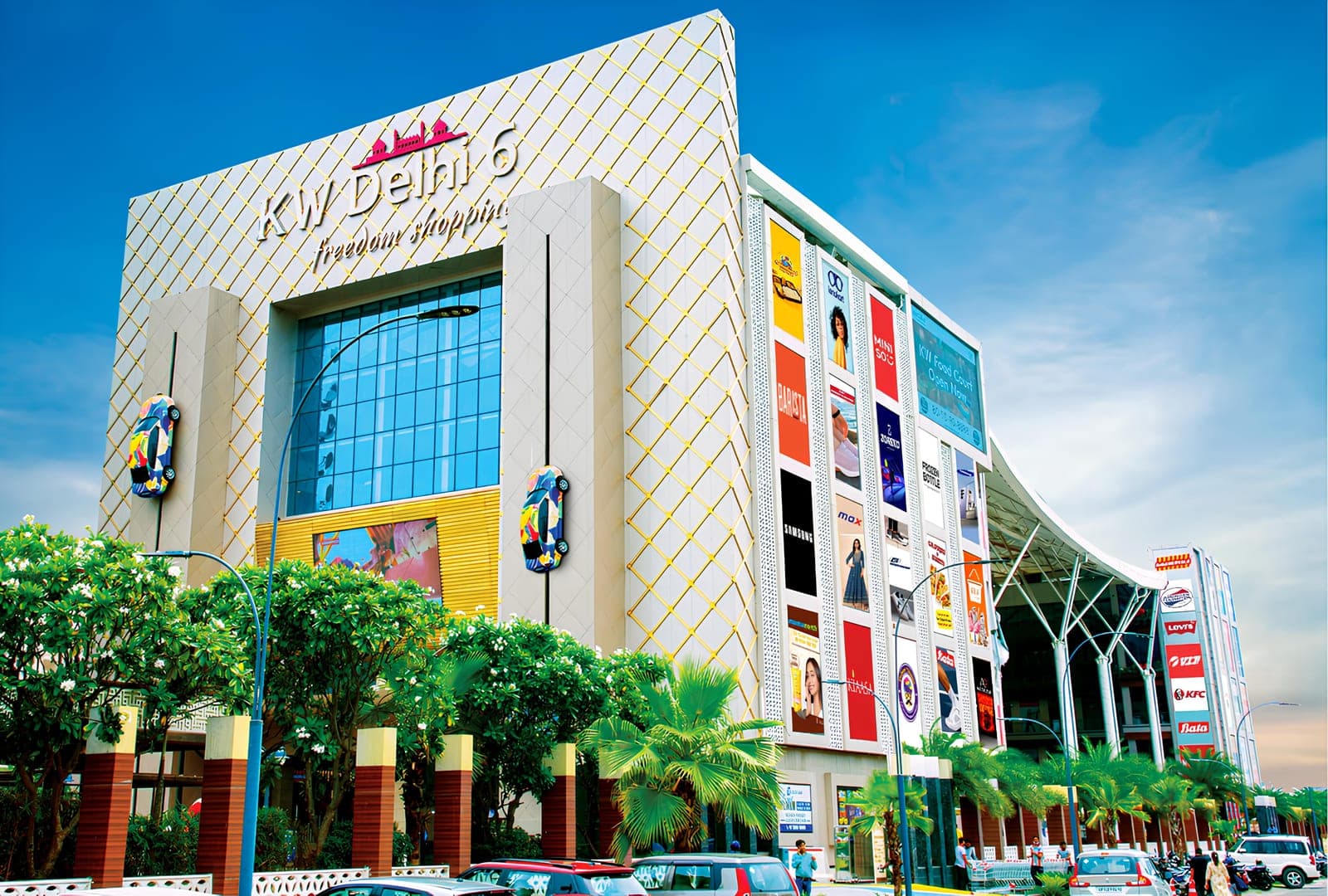 Ready to Move
Freedom Shopping
KW Delhi 6
A 3.21-acre commercial landmark in Raj Nagar Extension — bringing Chandni Chowk's essence, reimagined to global standards.
Reader questions